
Magic Marker Science
In this activity, you will
make observations about the markers and draw conclusions about their behavior in different liquids, using the scientific method.
Supplies Required
- 1c water
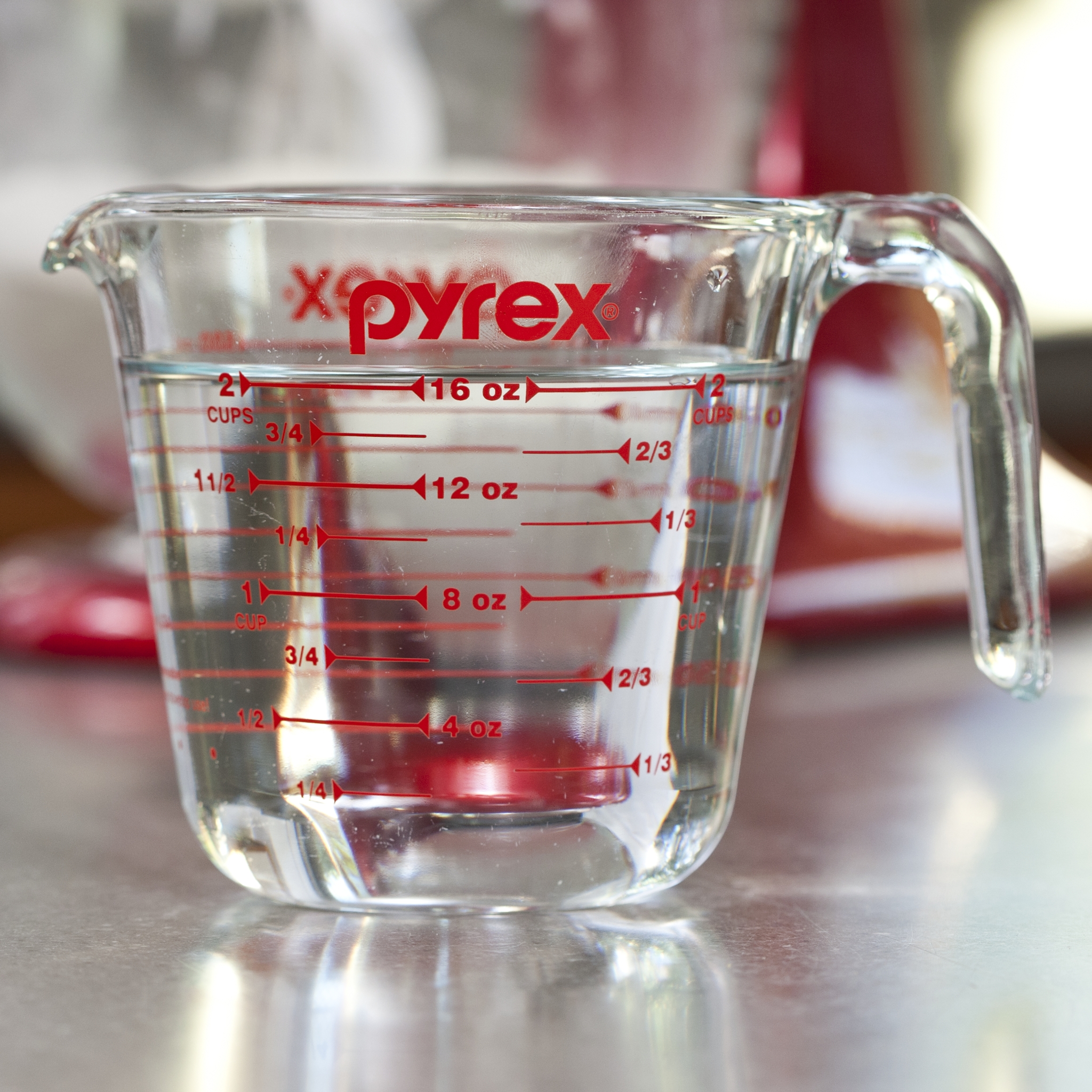
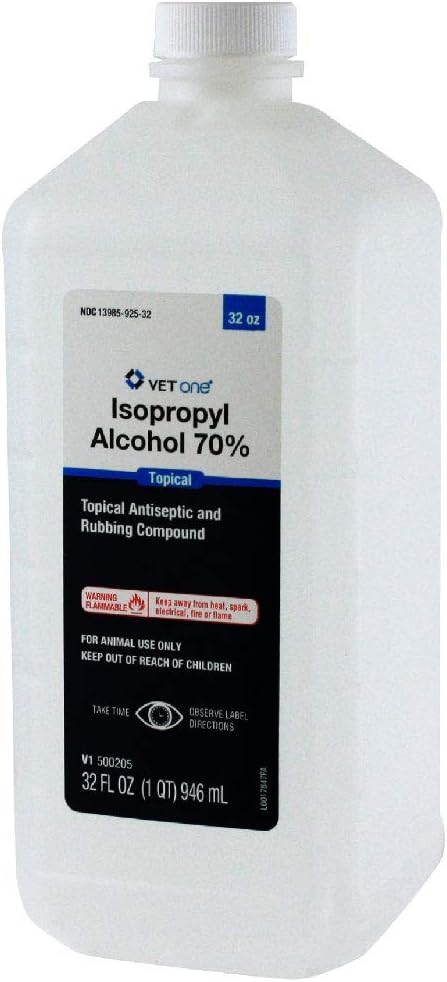
- 1c rubbing alcohol
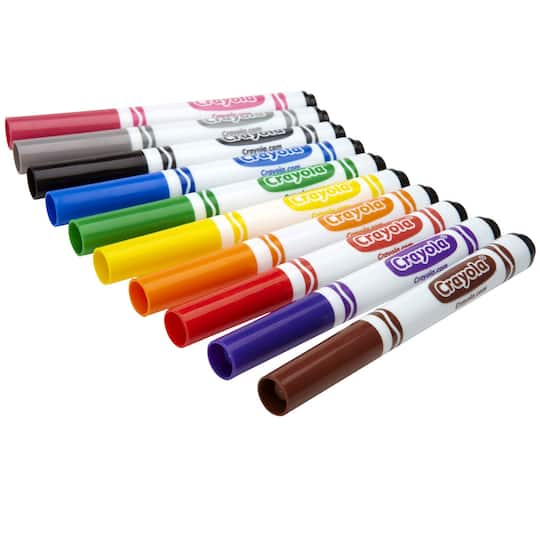
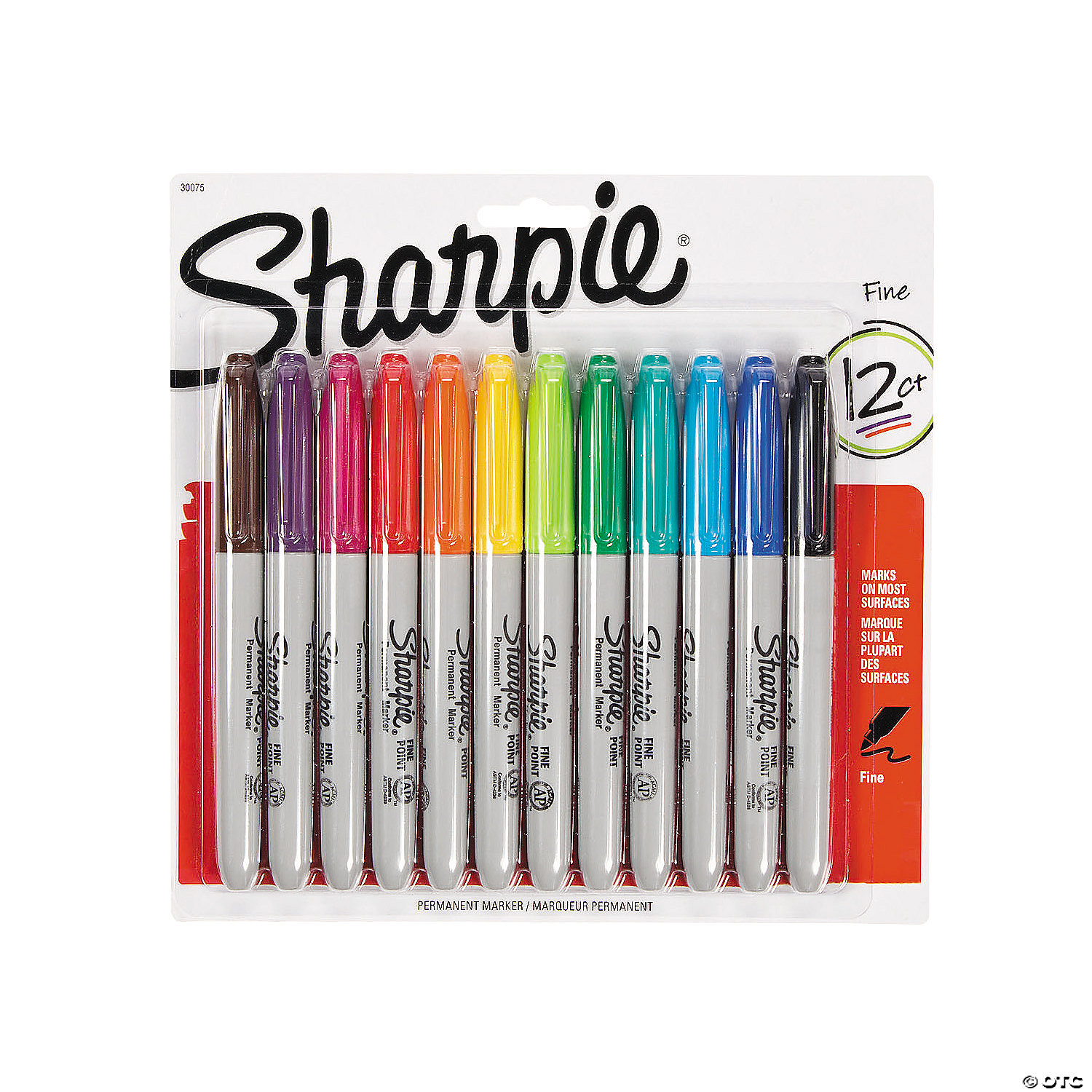
- 5 different colored markers–regular and Sharpies
- 5 coffee filters

- 2 pie pans

- 2 small cups

The Challenge
What happens when you combine blue and yellow? You make green!
When you mix red and blue, you get purple!
Red and yellow mixed together make orange!
Sometimes, one color is actually made of multiple colors. In order to see all of the colors that make up one, we need to break the colors apart. The reason that we are able to see all of the colors in a rainbow, is because rain drops in the air help to break up the sunlight, so we can see red, orange, yellow, greeen, blue, indigo, and violet.
In this experiment, you will use the scientific method to test if there are more than one hidden color in each marker color!
Problem and Hypothesis
[contact-form-7 id="18628" title="STEM book form SCI 1"]Let’s Experiment and Build!
Instructions
- What do we want to solve? What will happen to the colors when they are dipped in water and rubbing alcohol?
- Make a prediction! What do you think the rubbing alcohol and water will do to the markers?
- Put a dot of a marker onto the coffee filter, about ½ inch from the edge.
- Add more dots to that spot with the same marker (ensures a good color amount). Don’t flatten the filter! Add more colors around the edge in the same fashion as listed in steps 1 and 2. Make sure to use lots of different colors and types of markers (black is the best to try). Do this to multiple filters. Try different colors!
- Pour water into one pie pan (enough to cover the bottom, but not too much).
- Pour the same amount of rubbing alcohol into the other pie pan.
- Put the small plastic cups in each pie pan (these will stop the coffee filter from falling into the liquid).
- Turn the coffee filters upside down and into each pie pan (the flat part of the filter should be pointing up).
- Watch the liquid wick its way up to the top, possibly dissolving the colors and carrying them upwards.
- What happened to each marker in each liquid? Why do you think that happened?
Experiment, Analysis, and Conclusion
[contact-form-7 id="18626" title="STEM book form SCI 2"]Think about it and Additional Resources
Share on social media: Record a video or take a picture of your activity and post the results online using the hashtags:
#MagicMarker
#ProjectExploration
#StemAtHome
Tag a friend and challenge them to do it, too!
For more activities like this one, go to www.projectexploration.org/stemhome. If you’re interested in learning more about Project Exploration and our free events, programs, and activities, please find us on social media and be sure to follow!
Call or text us for help: 312-772-6634
In these videos, you will learn…
- How Crayola markers are made
- How things get mixed up or separate